
Buy with Ava
Access to the homes others never see, homework that protects you, and negotiation that respects the seller while winning the terms you need.
The buying journey
Most of our buyers purchase within two to six months. More than half relocate from out of state.
Write the brief
A long conversation about how you live, followed by a written search brief: neighborhoods, land, architecture, schools, budget and timing.
Get ready to act
Proof of funds or a jumbo lender letter, an insurance broker on call and a clear view of the true cost of ownership.
See the right homes
Previewed first by us, including off-market and coming-soon homes. Toured in person or by live video.
Offer with confidence
Comparable sales, disclosures, permits and insurance quotes reviewed before we write terms.
Close and settle in
Inspections, appraisal and escrow managed daily, then a move-in checklist and our local introductions.
A quarter of our purchases never reached the market
Owners at this level often prefer to sell quietly. We keep a registry of qualified buyers and share private opportunities only with those whose brief matches. Sample figure: 26% of our buyer purchases in the past twelve months were off-market.
- Early notice of coming-soon and private listings
- Relationships with the top agents on the coast
- Discreet introductions under owners' conditions

What each term really costs you
In a competitive situation your agent will suggest strengthening the offer. Here is the buyer-side view of the five terms that come up most, and the one we ask you to think hardest about before you agree to it.
| Term | What it is | What it wins | Your risk |
|---|---|---|---|
| Escalation clause | The offer beats any bona fide competing offer by a set increment, up to a stated ceiling. The buyer names a cap of, say, $6,850,000 in $50,000 steps. | $75k to $220ktypical spread it wins | It publishes your ceiling. If the competing offer is weak or withdrawn, you have told the seller exactly how much more you would have paid. Ask for proof of the competing offer before the clause triggers. |
| Appraisal gap coverage | The buyer agrees to bring cash for a stated shortfall if the lender's appraisal lands below the contract price. Commonly capped at $100,000 or $250,000 on estate sales. | Removes the #1 re-tradewhat the seller is buying | Real cash, not paper. If the appraisal comes in $250,000 light you fund that difference at closing and the lender still finances only the appraised value. Confirm the cash is liquid before you sign, not after. |
| Inspection contingency waiver | The buyer gives up the right to cancel or ask for credits based on the physical condition of the property, usually after a pre-offer walk-through. | 7 to 14 daystime it removes from escrow | The highest-risk term on this list. On a 1920s Montecito estate a waived inspection can hide $180,000 of dry rot, an unpermitted guest house or a failing septic leach field. Waive the contingency if you must, never the inspection itself. |
| Seller rent-back | The seller stays in the house after closing for an agreed period, usually 30 to 60 days, at a stated daily rate or rent free. | 30 to 60 dayswhat the seller gains | Past 30 days the arrangement can look like a tenancy, and some lenders will not fund an owner-occupied loan with a long rent-back. Hold a walk-through deposit and put the condition standard in writing. |
| Close of escrow timing | How fast the money arrives. All cash with proof of funds can close in 10 to 14 days. A jumbo loan on an estate realistically needs 30 to 45. | 10 vs 45 dayscash against jumbo financing | Promising 14 days on financed money and missing it puts your deposit in play. Ask your lender for an underwritten pre-approval, not a pre-qualification, before you shorten the date. |
Swipe to see all columns
General information about California residential contract terms on a demo website, not legal advice. Every term above is negotiable and should be reviewed with your own attorney or broker. See the seller's side of the same five terms.
What would the monthly cost be?
A sample estimate including property tax and insurance. Many buyers here pay cash, but the numbers still help frame the decision.
Estimated monthly payment
$25,310
- Principal and interest
- $19,910
- Property tax (1.09%)
- $4,088
- Homeowners insurance
- $1,313
- HOA dues
- $0
- Loan amount
- $3,150,000
Sample estimate for illustration only. Rates shown are not an offer to lend. Speak with a licensed lender for a quote.
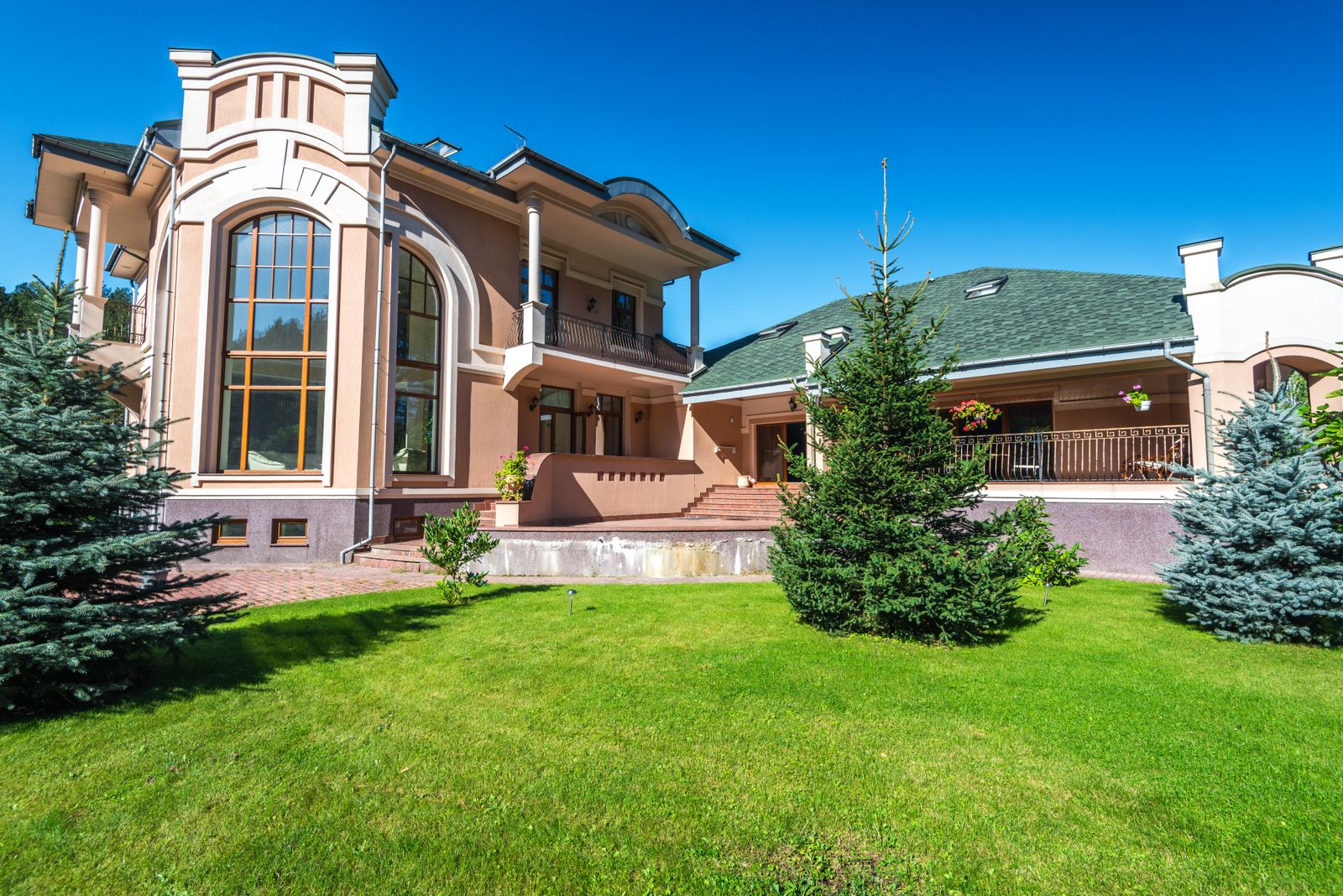
Estates to consider now
All estates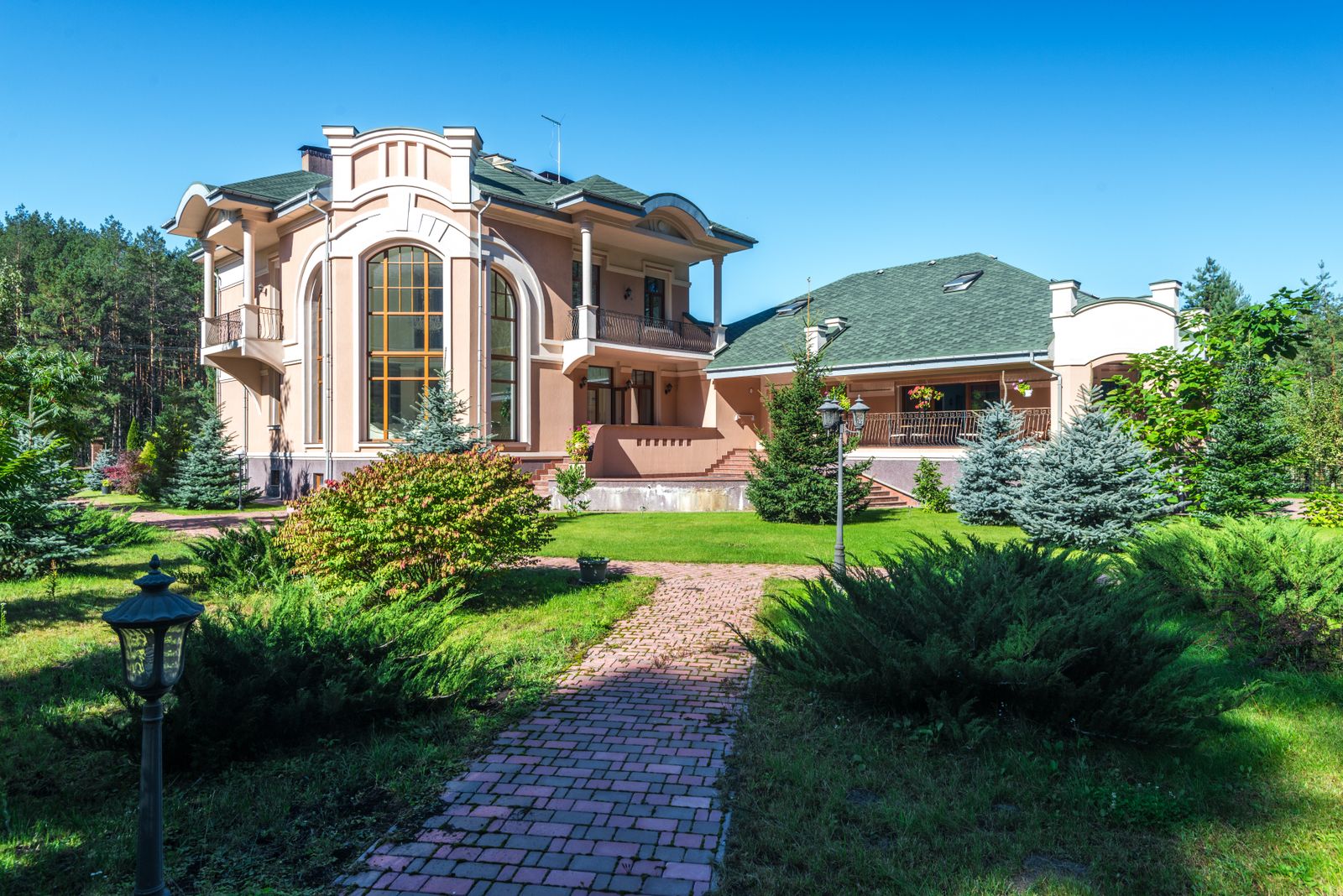

Buyer questions
Straight answers to what buyers ask most in our first meeting.
Well-priced homes under $5M often draw multiple offers within two weeks. Above $10M, negotiations are slower and more private. We give you current figures before you write any offer.
For most listings, yes. Sellers and their agents ask for proof of funds or a lender letter before private showings. We can introduce jumbo and portfolio lenders who know the area.
Buyers usually pay about 0.5% to 1% of the price for escrow, title insurance, lender fees and inspections. Transfer tax is usually paid by the seller.
Yes. Live video tours, digital disclosures and e-signing make it straightforward. Many of our clients see a home in person for the first time after closing.